
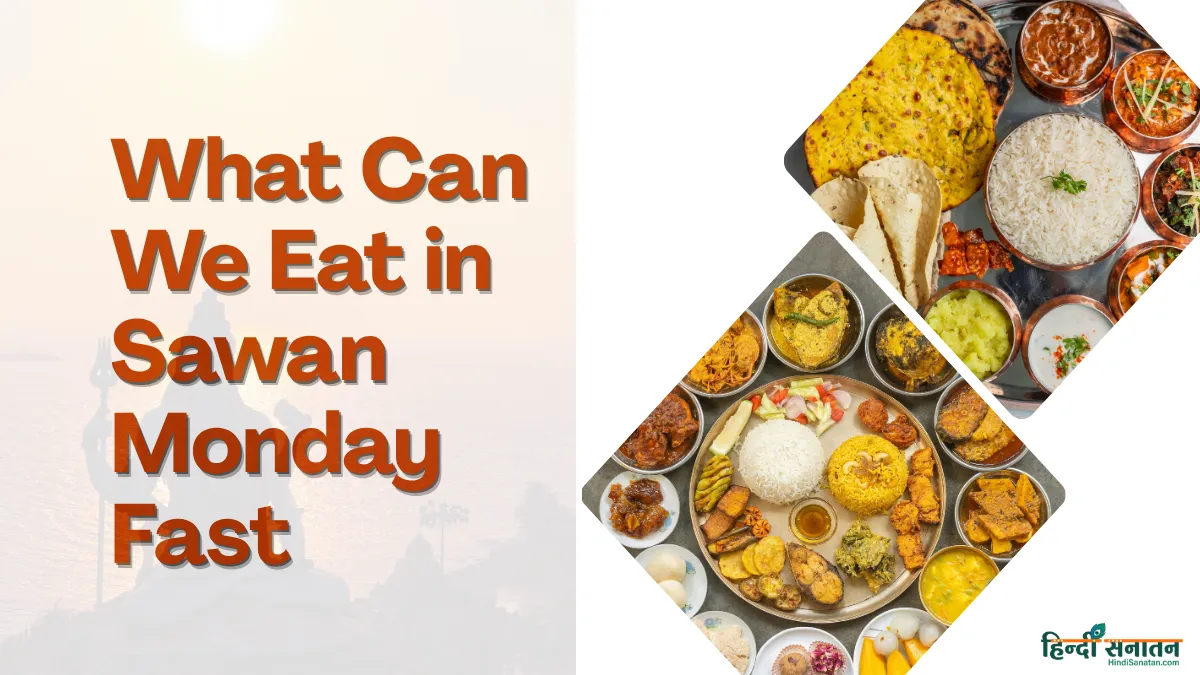
Sawan Monday Fast: Millions of devotees across India observe a fast on every Monday of the Shravan (Sawan) month to seek Lord Shiva’s blessings. But one question almost every first-time observer asks is simple: “What exactly can we eat during this fast, and what should we avoid?” Getting this right matters -eating the wrong food is believed to break the spiritual discipline of the vrat, while the right food keeps your energy up through a long day of prayer and fasting.
Here’s a clear, practical breakdown of everything you can eat during the Sawan Monday fast.
Foods You Can Eat During Sawan monday fast
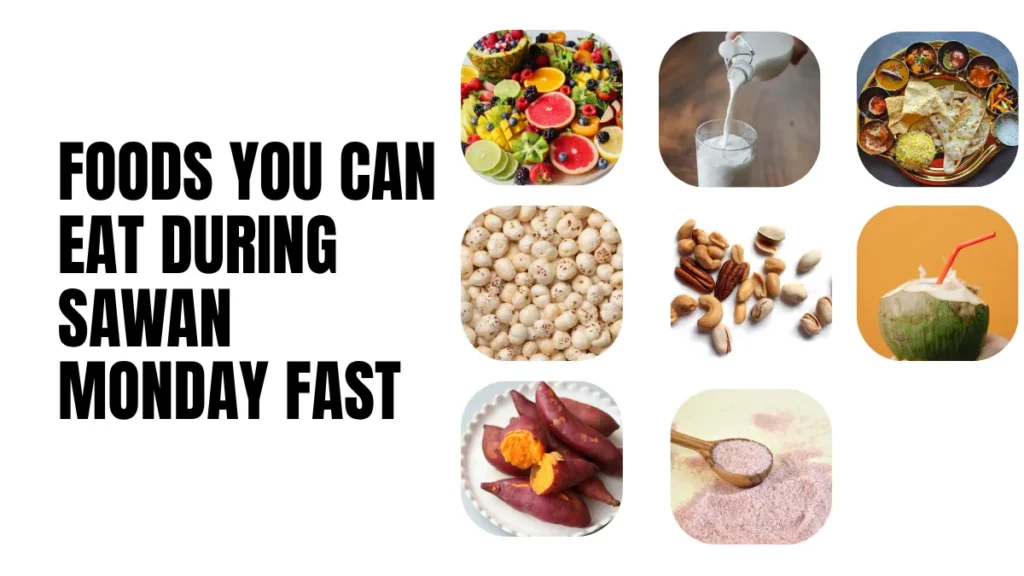
- Fruits
Fresh fruits are the backbone of most Sawan Monday diets. Bananas, apples, pomegranates, papayas, grapes, and melons are commonly eaten throughout the day. They keep you hydrated and provide natural sugars for energy. - Dairy Products
Milk, curd (dahi), and paneer are allowed and widely consumed. A glass of milk or a bowl of curd with fruit is one of the simplest fasting meals people rely on. - Sabudana (Sago/Tapioca Pearls)
Sabudana khichdi is possibly the most popular fasting dish in North India. Made with sago pearls, peanuts, potatoes, and light spices, it’s filling and easy to digest. - Kuttu Atta (Buckwheat Flour)
Kuttu ki poori or kuttu paratha, made with buckwheat flour, is a common substitute for regular wheat rotis during the vrat. - Singhare ka Atta (Water Chestnut Flour)
Similar to kuttu, singhare ka atta is used to make pooris, halwa, or pakoras that are considered fasting-appropriate. - Makhana (Fox Nuts)
Roasted makhana, either plain or lightly seasoned with rock salt, is a light and healthy snack that’s easy to prepare and carry. - Dry Fruits and Nuts
Almonds, cashews, walnuts, and raisins are good sources of energy and are commonly eaten in small quantities during the fast. - Sendha Namak (Rock Salt)
Regular table salt is avoided during most fasts, but sendha namak (rock salt) is considered fasting-friendly and is used in all fasting dishes. - Coconut Water
A refreshing and hydrating option, especially useful if you’re observing a fast during the humid Sawan season. - Sweet Potato (Shakarkandi)
Boiled or roasted sweet potato is filling, naturally sweet, and a popular fasting food, especially in North India. - Arrowroot Flour (Rajgira/Arrowroot)
Used to make rotis, halwa, or thickening agents for fasting curries.

Simple Meal Ideas for the Day
- Morning: A glass of milk or fruit with a handful of dry fruits
- Afternoon: Sabudana khichdi or kuttu ki poori with curd
- Evening (after puja): Makhana kheer or fruit chaat with rock salt
- Throughout the day: Coconut water, buttermilk, or plain water to stay hydrated
Foods to Avoid During Sawan Monday Fast
Just as important as knowing what to eat is knowing what to avoid:
- Grains like wheat, rice, and regular flour (except kuttu, singhare, and rajgira flour)
- Onion and garlic, considered tamasic (impure) foods unsuitable for fasting
- Non-vegetarian food including meat, fish, and eggs
- Regular table salt — only sendha namak (rock salt) is used
- Alcohol and tobacco
- Fried and heavily processed food, even if technically “fasting-friendly,” since it defeats the purpose of a light, sattvic diet
A Few Practical Tips
- Don’t skip water. Unless you’re specifically observing a nirjala (waterless) fast, staying hydrated is important, especially in the Sawan season.
- Eat in moderation. The fast is meant to be light on the body, not a feast of fasting-special dishes.
- Break the fast mindfully. Most devotees eat their main meal only after completing the evening puja, as a mark of respect and discipline.
- Choose according to your health. If you have diabetes, low blood pressure, or any medical condition, adjust the fast accordingly — a doctor’s advice always comes first.
Frequently Asked Questions
Q1. Can we eat rice during Sawan Monday fast?
Regular rice is generally avoided, but some people use samvat rice (barnyard millet), which is considered fasting-appropriate in many households.
Q2. Is tea or coffee allowed during the fast?
Yes, most people continue to have tea or coffee, though some prefer to avoid caffeine altogether for a stricter fast.
Q3. Can pregnant women or people with health conditions observe this fast?
It’s advisable to consult a doctor first. Even if fasting, eating fruits, milk, and light food at regular intervals is recommended instead of a strict fast.
Q4. What is the difference between phalahar and nirjala fasting?
Phalahar fasting allows fruits, milk, and fasting-specific foods throughout the day, while nirjala fasting means abstaining from both food and water — a much stricter practice usually reserved for very devoted observers.
- First Sawan Somwar 2026 Shubh Muhurat: Date, Puja Vidhi and Significance (August 3)
- 16 somvar vrat katha 2026: सोलह सोमवार व्रत की कथा, पूजा विधि और उद्यापन की पूरी जानकारी
(Disclaimer: This article is based on common religious traditions and popular practices followed during the Sawan/Shravan month. It is intended for general informational purposes only and is not medical advice. Please consult a doctor before making any significant changes to your diet, especially if you have an existing health condition.)